
Advanced Options Trading Strategies for Smarter Market Analysis
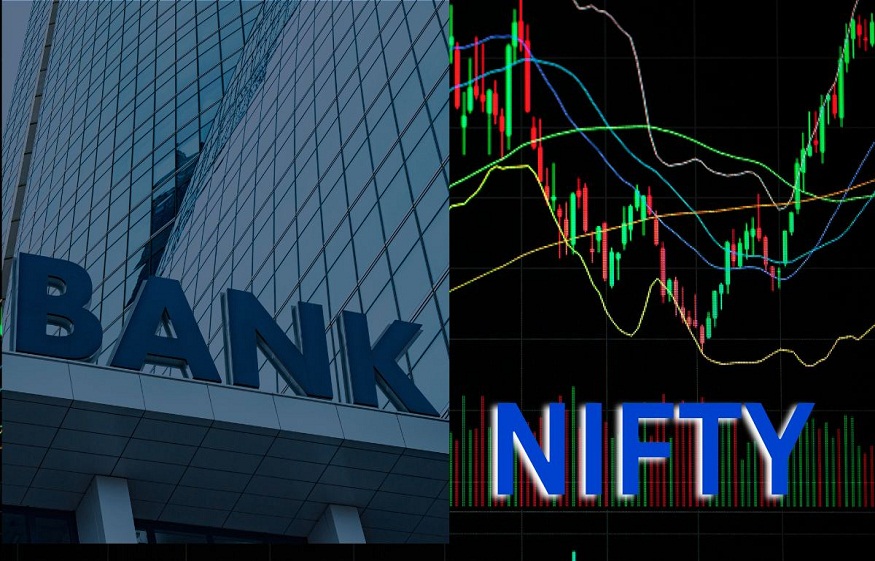
The Indian derivatives market has grown rapidly as traders increasingly use analytical tools to improve trading accuracy and understand market sentiment more effectively. Many active traders rely on the NSE Option Chain to monitor open interest levels, identify support and resistance zones, and evaluate overall market positioning before making trading decisions. At the same time, the Bank Nifty Option Chain has become highly important for traders who focus on banking sector volatility, short-term price movements, and institutional activity within one of the most actively traded indices in the market.
Rising Interest in Derivatives Trading
Options buying and selling have become increasingly popular among retail and commercial buyers due to greater market focus and better access to digital buying and selling systems. It’s made easy.
The banking sector attracts huge trading enthusiasm due to its impact on average market sentiment and index movements. Traders uncover active bank holdings and index-based total derivatives to capture short-term momentum and broader market trends.
Read More : HOW TO GET LONG TERM LOAN APPROVAL ONLINE QUICKLY
Mobile trading packages and advanced analytics systems have also simplified market participation. Investors can now get standing access to market data instantly through virtual structures, analyse charts, and display free interesting research instantly.
The financial awareness of retail investors has improved significantly. Many investors now focus on disciplined evaluation, random monitoring, and strategic planning rather than just speculative buying and selling behaviour.
Understanding the Importance of Option Chain Analysis
Option chain evaluation provides valuable insight into the seller’s position, market sentiment, and the range of potential interest rate movements. By reading the open interest and strike price action, traders can recognise significant support and resistance phases within the market.
Higher open interests with exact strike prices often indicate areas where traders anticipate strong market reactions. These categories can also act as psychological barriers and affect the market trajectory in the short term.
Option chain data also allows buyers to gauge market confidence. An increase in name-side activity could additionally indicate bearish expectations, while increasing activity on the position side could also advise stronger bullish sentiment.
This analytical approach is especially useful in volatile market conditions, while rapid tariff movements create uncertainty. Traders using dependent fact analysis often choose to know more and avoid emotional trading responses.
Understanding derived data additionally allows buyers to improve timing and succession planning. Instead of relying entirely on the price movement, traders can integrate option chain analysis with technical signals to create stronger options.
Role of Open Interest in Market Sentiment
Open interest is an important marker in buying and selling derivatives because it reflects active market participation. Agents carefully watch the adjustment of open interests to see if new positions are created or if current positions are closed.
Rising free interest coupled with rising fees could also indicate a more powerful bullish momentum, as well as reflect a growing bearish sentiment in free interests during a period of market downturn. These observations help buyers understand the force behind market trends.
Bank index derivatives often experience excessive trading activity as bank stocks strongly influence sovereign market activity. Institutional participation in derivatives in the banking sector often attracts the interest of short-term and intraday traders.
In addition, quantitative analysis plays an important role. Higher trading volumes generally indicate a stronger trust between market participants and improve foreign exchange liquidity at some level in volatile conditions.
Combining open interest analysis with volume and interest rate momentum allows buyers to grow more balanced information about market behaviour and potential momentum changes.
Technology Transforming Modern Trading Experience
Technology has dramatically changed the buying and selling landscape by making advanced market analytics available to retail traders. Today, digital infrastructures provide real-time analytics tools directly to male or female traders.
Modern trading systems provide stagnant option chain facts, advanced charts, technical indicators, and customizable dashboards. Traders can detect changing market conditions instantly and respond more effectively to all the rapidly changing times.
Automatic alerts and mobile accessibility have additional features as well. Traders no longer need to be exposed to computer device infrastructure at any stage of the buying and selling day, as vital market data is instantly available via smartphones.
Academic access is also expanded significantly. Many investors now explore technical analysis, options techniques, and risk management concepts through online sources and virtual learning systems.
Another important advantage of time is execution performance. Faster ordering and spot market updates help buyers respond extra efficiently during highly volatile situations.
Importance of Discipline and Risk Management
Successful options trading requires more than analytical skills on my part. Discipline and proper threat management are critical to protecting capital and maintaining long-term business stability.
Market volatility creates frequent currency fluctuations, especially in the banking sector derivatives. Retailers investing in positions outside predetermined crisis thresholds may also face undue monetary stress during periods of unexpected market reversals.
Professional traders typically use loss prevention, controlled portfolio size, and specific entry strategies to effectively handle buy and sell risk. These practices help reduce emotional selectivity and improve long-term stability.
Overtrading is another common activity for energetic derivatives buyers. Frequent market fluctuations can also cause impulsive trading behavior, which can weaken the average buying and selling trend over time.
Patience is still just as important. Consistent buying and selling success is developed through disciplined execution, relentless mastery, and careful planning instead of aggressive speculation.
Future of Data-Driven Trading in India
The future of buying and selling derivatives in India looks incredibly promising as technology, digital infrastructure and economic focus continue to improve in unexpected ways. Retailers are increasingly adopting information-driven analytics techniques to improve market understanding and buying and selling efficiency.
Artificial intelligence, computerised trading systems and advanced analytics are predicted to play a bigger role in fate buying and selling technology. Investors have become more focused on disciplined analysis and dependent decision-making than emotional reactions.
Read More : BENEFITS OF USING THE MUTUAL FUNDS CALCULATOR DURING THE NFO PHASE
Academic awareness around options trading is growing at a similar pace. More buyers now realise the importance of market psychology, volatility management, and long-term organisation in trading overall performance.
The robust expansion of virtual trading systems is likely to achieve broader participation across entire exclusive investor groups. Traders who integrate analytical domain, timing, and appropriate risk controls are generally in a better position to navigate market volatility and build sustainable trading self-assurance.